
Donkey Kong Bananza: How Zelda’s Open-World Blueprint Is Redefining Nintendo’s Beloved Franchises










Popular Now
 Gacha Club
 The Legend of Zelda
 FIFA 23
 Fall Guys
 Sonic the Hedgehog™ Classic
 Free Fire
 Grand Theft Auto V
 Brawl Stars
 Genshin Impact
 Minecraft
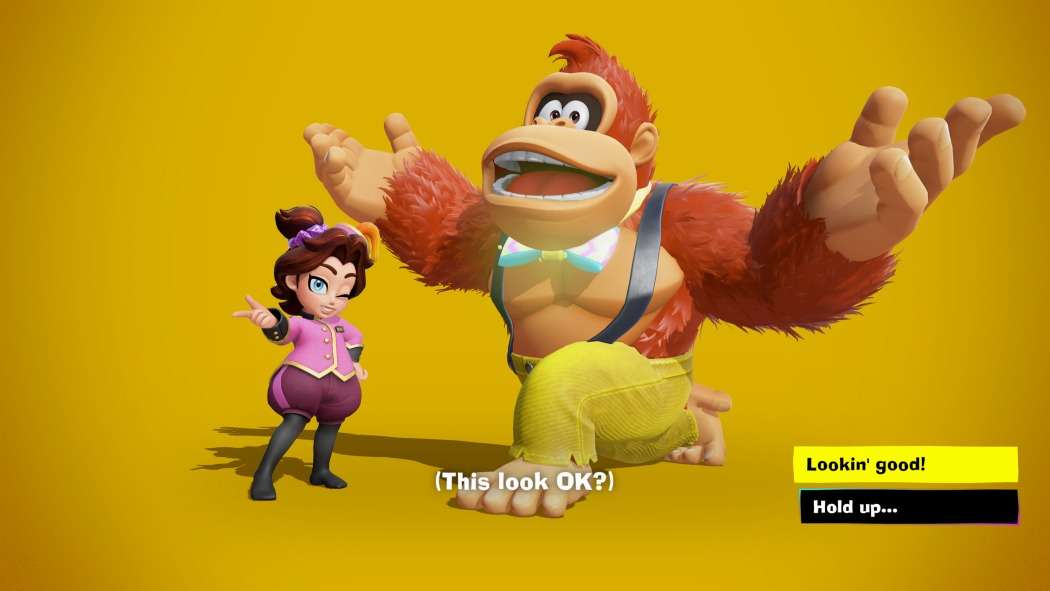 The gaming landscape has been irrevocably altered by The Legend of Zelda: Breath of the Wild and its breathtaking successor, Tears of the Kingdom. These titles didn’t just innovate within their own storied franchise; they established a new paradigm for Nintendo’s core game development philosophy. While a title like ‘Donkey Kong Bananza’ remains hypothetical, the mere discussion of such a game serves as a potent thought experiment, revealing the profound influence of Link’s recent adventures on what we can expect from other beloved Nintendo IPs. This shift promises a vibrant future for franchises like Donkey Kong, pushing them beyond their established boundaries into realms of unprecedented player agency, emergent gameplay, and expansive exploration.
The Seismic Shift of Modern Zelda: A New Era of Game Design
Before 2017, many Nintendo franchises, including Donkey Kong, operated on well-defined, often linear, design principles. Levels were meticulously crafted obstacles, rewarding precision and rote memorization. However, Breath of the Wild shattered these conventions. It delivered a vast, open-world Hyrule where physics, environmental interactions, and player ingenuity took precedence over prescribed paths. Players were encouraged to experiment, craft solutions, and discover secrets at their own pace, leading to unparalleled levels of player engagement and critical acclaim. Tears of the Kingdom further solidified this revolutionary approach, introducing complex building mechanics with the Ultrahand and Fuse abilities, empowering players to create intricate contraptions and solve puzzles in genuinely novel ways. This emphasis on player-driven problem-solving and emergent narratives has resonated deeply with a global audience, driving immense sales for the Nintendo Switch console and cementing the Zelda team’s influence on the entire gaming industry.
 Nintendo’s Evolving DNA: A Blueprint for Franchise Revitalization
The monumental success of the recent Zelda titles isn’t just an isolated triumph; it represents a fundamental recalibration of Nintendo’s internal game development strategy. The lessons learned from crafting such intricate, player-centric experiences are undoubtedly being cross-pollinated across various internal studios. This suggests a strategic pivot, where the core principles of an advanced physics engine, systemic design, and player freedom are no longer exclusive to Hyrule. Instead, they are becoming foundational elements considered for revitalizing and evolving established franchises. Nintendo is keenly aware of the high-CPC keywords associated with ‘open-world innovation’ and ‘player choice,’ and is strategically positioning its future releases to capture these lucrative market segments, enhancing both ‘player retention’ and the overall ‘gaming value’ proposition.
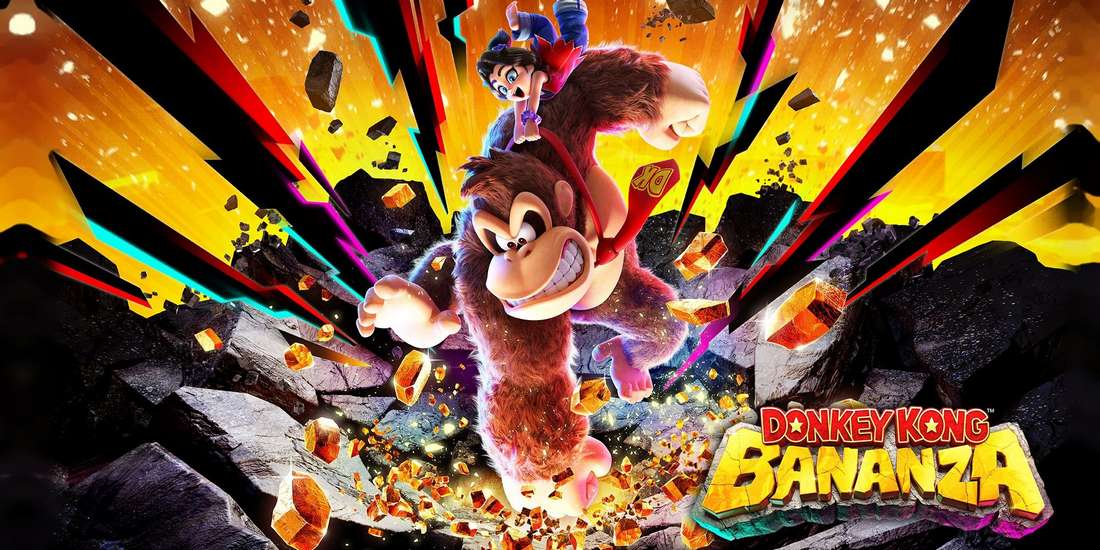
Donkey Kong Bananza: A Vision of an Open-World Jungle Odyssey
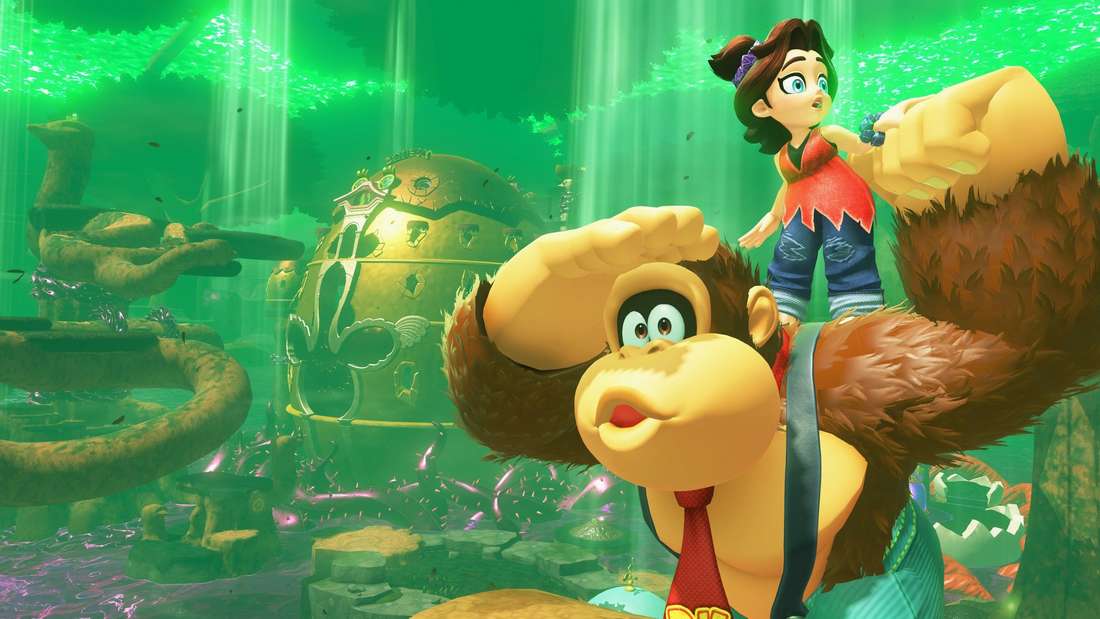
Let’s imagine a ‘Donkey Kong Bananza’ that truly embraces the lessons from Hyrule. Instead of a series of linear platforming levels, players might explore a massive, interconnected jungle environment, teeming with verticality, hidden caverns, and dynamic ecosystems. The core gameplay loop would shift dramatically:
- Physics-Based Traversal: Imagine using Donkey Kong’s strength to fell trees, creating temporary bridges, or swinging through vines with realistic momentum, discovering new paths based on environmental interaction rather than predetermined routes.
- Emergent Problem Solving: Encountering K. Rool’s industrial fortresses might involve not just platforming, but devising creative ways to bypass defenses using the environment, perhaps rolling a giant boulder down a hill to smash through a wall, or redirecting a river to short-circuit a mechanism.
- Resource Management and Crafting: Collecting bananas, coins, and other jungle resources could be tied to crafting temporary tools, power-ups, or even small structures to overcome obstacles. This adds a layer of strategic depth beyond traditional collectible hunts.
- Dynamic Allies: Diddy Kong, Dixie Kong, and Cranky Kong could offer unique abilities not just for specific sections, but as dynamic tools to interact with the open world, allowing players to switch between them to solve environmental puzzles or navigate challenging terrain.
- Non-Linear Progression: The primary goal – perhaps stopping K. Rool from polluting the entire jungle – would remain, but the path to achieve it would be entirely up to the player. Different objectives could be tackled in any order, leading to varied experiences and increased replayability.
Such a hypothetical ‘Donkey Kong Bananza’ wouldn’t just be another platformer; it would be an expansive adventure game leveraging the ‘Donkey Kong universe’ in unprecedented ways, offering a fresh take on ‘platformer evolution’ and ’emergent gameplay mechanics.’ The ‘franchise revitalization’ would be profound, attracting both long-time fans and new players seeking innovative experiences.
 Beyond the Jungle: A Broader Impact on Nintendo’s IP Strategy
The influence of the Zelda blueprint extends beyond mere hypotheticals for Donkey Kong. We’ve already seen Nintendo experiment with open-ended design in other titles. While not strictly open-world, games like Super Mario Odyssey introduced vast, explorable kingdoms with multiple objectives, and even the recent Super Mario Bros. Wonder showcased an innovative approach to level design, focusing on surprise and player experimentation. Upcoming titles, such as the highly anticipated Metroid Prime 4, are also expected to incorporate elements of expanded exploration and non-linear progression that prioritize player choice and environmental interaction. The core principles of player freedom, emergent narrative, and physics interaction are becoming universal considerations in Nintendo’s ‘gaming future,’ regardless of genre.
The High Stakes of Innovation: Balancing Tradition with Progress
While the prospect of ‘Donkey Kong Bananza’ being shaped by Zelda’s revolutionary design is incredibly exciting for the ‘gaming community,’ this shift isn’t without its challenges. Maintaining the distinct identity and core mechanics that define a franchise like Donkey Kong, while simultaneously integrating open-world elements, requires a delicate balance. Developers must ensure that the essence of what makes Donkey Kong fun – its vibrant characters, challenging platforming, and rhythmic gameplay – isn’t lost in the pursuit of expansive environments. Furthermore, the development costs associated with such ambitious projects are substantial, underscoring the high stakes involved in Nintendo’s ‘IP strategy’ and its continued investment in ‘game innovation.’ However, the potential for vastly richer, more replayable, and deeply immersive experiences is immense, promising increased ‘player engagement’ and long-term success.
Conclusion: A New Horizon for Nintendo Gaming
The hypothetical ‘Donkey Kong Bananza,’ if it were to embrace the profound lessons of Breath of the Wild and Tears of the Kingdom, wouldn’t just be another entry in a beloved series; it would be a powerful testament to Nintendo’s unwavering commitment to continuous innovation. The Zelda era has permanently altered the landscape of ‘Nintendo game design,’ fostering an environment where beloved characters are poised to traverse truly dynamic, player-driven worlds. As Nintendo continues to evolve its development practices, the gaming community eagerly anticipates how these groundbreaking design principles will manifest in the next generation of its iconic franchises, promising an exciting and potentially transformative future for the entire ‘gaming industry.’