
Dragon Quest 1: A Shockingly Enduring Masterpiece – Why This Retro JRPG Still Reigns Supreme









Popular Now
 Valorant
 Rust
Rust
 Geometry Dash
 FIFA 23
 Free Fire
 BeamNG.drive
 Call of Duty
 Candy Crush Saga
 CarX Street
 Toca Boca World
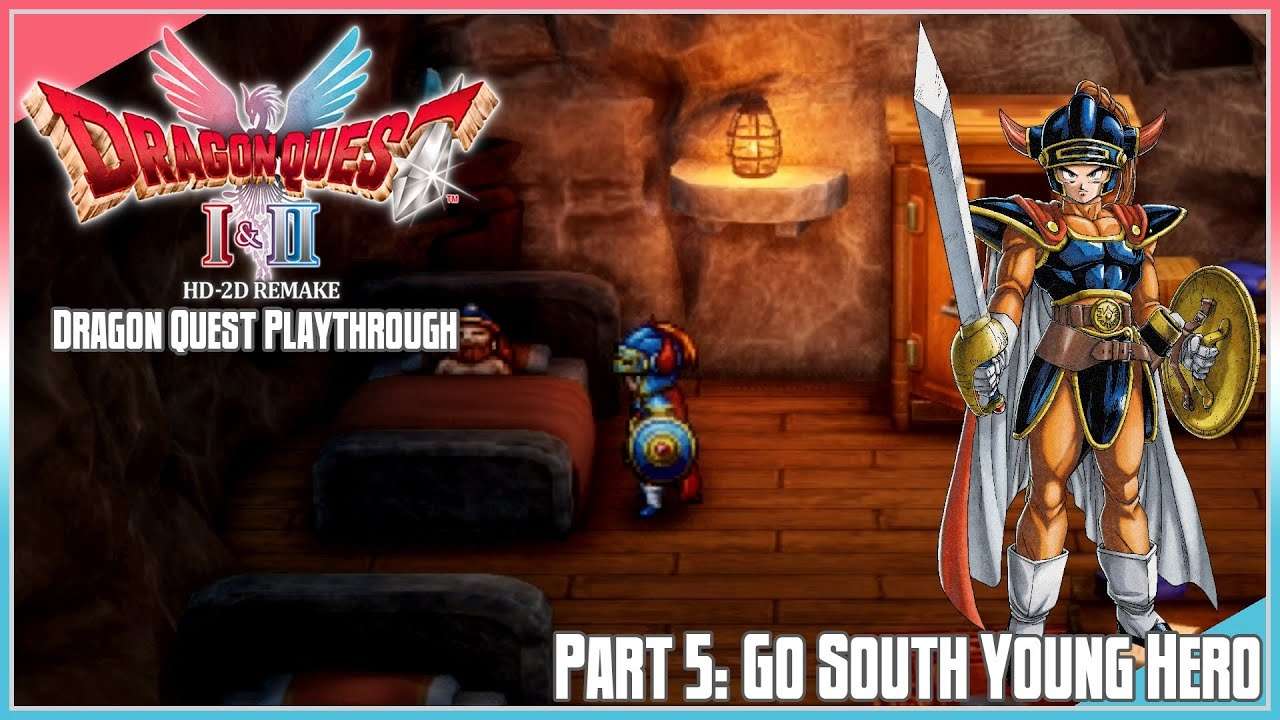 In the vast tapestry of video game history, few titles possess the enduring power to captivate new generations while simultaneously evoking profound nostalgia in veterans. Among these hallowed few, Dragon Quest 1 (originally released as Dragon Warrior in North America) stands as a towering monolith, a surprisingly robust and engaging experience decades after its initial debut. Released in Japan in 1986 for the Famicom, this groundbreaking title didn’t just lay the groundwork for the modern JRPG genre; it crafted a fundamental gameplay loop and narrative blueprint that remains remarkably compelling even by today’s sophisticated standards. This isn’t merely a trip down memory lane; it’s a testament to timeless game design and foundational brilliance.
Many contemporary gaming enthusiasts, accustomed to sprawling open worlds, intricate skill trees, and cinematic storytelling, might approach a game from the late 80s with skepticism. Yet, Dragon Quest 1’s appeal transcends its pixelated origins, offering a masterclass in elegant simplicity and focused progression. It’s a game that demonstrates how powerful core mechanics and a clear objective can be, even without the bells and whistles of modern development. Its continued relevance highlights key design principles that game developers still strive for today, making it more than just a historical artifact – it’s a living, breathing example of excellent game craftsmanship.
Pioneering Simplicity: The Genius of Dragon Quest’s Core Mechanics
At its heart, Dragon Quest 1 is an adventure of singular purpose: defeat the Dragonlord and rescue Princess Luna. This straightforward objective serves as a sturdy anchor for all subsequent gameplay, ensuring players are never lost in an overwhelming sea of side quests or convoluted narrative threads. The game’s mechanics, while rudimentary by today’s standards, were revolutionary at the time and remain incredibly effective:
- Turn-Based Combat: The iconic first-person, menu-driven combat system, where players input commands (Attack, Spell, Item, Run) for their lone hero, is surprisingly strategic. Every encounter, from lowly Slimes to formidable Golems, demands tactical consideration. The simplicity ensures rapid understanding, yet the underlying probability and enemy variety offer surprising depth. This system became the blueprint for countless subsequent JRPGs.
- Exploration and Discovery: The world map, initially shrouded in mystery, gradually unfolds as the hero gains strength and navigates through towns, caves, and castles. Finding hidden items, deciphering cryptic clues, and uncovering new areas provide a genuine sense of adventure and reward. This early form of open-world exploration, though limited by technology, fostered a powerful sense of player agency.
- Grinding and Progression: While some might view constant monster encounters as tedious, the grinding in Dragon Quest 1 is inherently satisfying. Each level gained, each piece of stronger equipment acquired, makes a tangible difference, visibly empowering the hero against tougher foes. This direct feedback loop is incredibly addictive and a core component of its enduring appeal, serving as a powerful motivator in this classic JRPG.
The genius lies in how seamlessly these elements interlock. Players understand the cycle almost instantly: fight monsters to gain experience and gold, buy better equipment, explore new areas, and repeat. This fundamental loop, perfected in Dragon Quest 1, is the backbone of successful role-playing games.
 Akira Toriyama’s Enduring Art and Koichi Sugiyama’s Iconic Score
Beyond its gameplay, Dragon Quest 1’s aesthetic appeal is undeniable, largely thanks to two legendary figures: artist Akira Toriyama and composer Koichi Sugiyama.
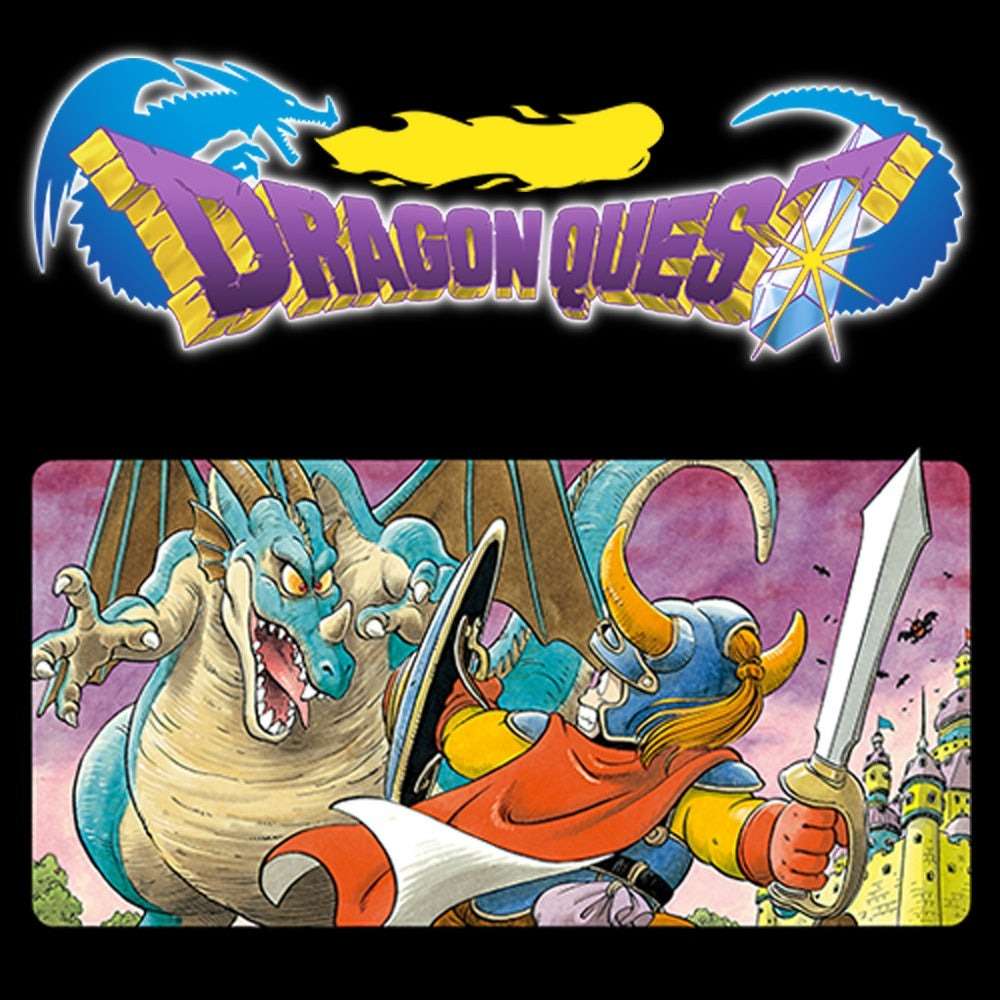
- Toriyama’s Character Designs: Known globally for Dragon Ball, Toriyama’s distinctive, charming, and often whimsical creature and character designs provided the visual identity for the entire Dragon Quest series. From the iconic Slime to the menacing Dragonlord, his creations possess a timeless quality that transcends pixel limitations. They are instantly recognizable and contribute immensely to the game’s unique personality and universal appeal. This visual consistency has been a hallmark of the series, drawing players into its fantastical world.
- Sugiyama’s Musical Masterpiece: Koichi Sugiyama’s orchestral score for Dragon Quest 1 is nothing short of legendary. Themes like the iconic overture, the stirring battle music, and the peaceful town melodies are not just memorable; they perfectly encapsulate the mood and grandeur of the adventure. Even with the limited sound capabilities of the NES, Sugiyama managed to craft an emotionally resonant soundtrack that has influenced countless game composers and remains a benchmark for video game music. The melodies burrow into your subconscious, enhancing every moment of the fantasy adventure.
These artistic contributions elevate Dragon Quest 1 far beyond a mere collection of code, transforming it into a cohesive, enchanting world that has resonated with millions. The collaboration between these visionaries created a foundational pillar for gaming history.
 Modern Relevance and Accessibility: Why New Players Should Dive In
For those interested in experiencing this foundational piece of gaming history, Dragon Quest 1 is more accessible than ever. Modern ports and remakes, particularly on mobile platforms and the Nintendo Switch, often introduce quality-of-life improvements without sacrificing the original’s essence. These versions typically boast updated graphics (while retaining the charming pixel art spirit), improved interfaces, and sometimes even faster movement or combat speeds, making the experience smoother for contemporary players.
But why should a new player, unburdened by nostalgia, invest their time in such an old game? The answer lies in its intrinsic value as a piece of pure, unadulterated adventure:
- A Gateway to JRPGs: For newcomers to the genre, Dragon Quest 1 serves as an ideal entry point. Its straightforward mechanics and clear objectives teach fundamental RPG design principles without overwhelming the player. Understanding where the genre began provides valuable context for its evolution.
- Timeless Storytelling: The simple narrative of a lone hero embarking on an epic quest against overwhelming evil is a universal archetype. It’s a classic hero’s journey, distilled to its most potent form, proving that complex narratives aren’t always necessary for profound impact. This provides a genuine sense of accomplishment and a satisfying conclusion.
- A Breath of Fresh Air: In an era of complex tutorials, sprawling side content, and constant notifications, Dragon Quest 1’s minimalist approach can feel surprisingly refreshing. It respects the player’s intelligence and desire for exploration, offering a quiet, deliberate pace that allows for genuine immersion and discovery. It’s a fantastic example of value in gaming, offering pure escapism.
The Undeniable Truth: Dragon Quest 1 Holds Up
Ultimately, the assertion that Dragon Quest 1 holds up shockingly well after all these years isn’t an exaggeration; it’s an undeniable truth. Its enduring appeal is not merely a product of rose-tinted glasses for veteran players. Rather, it’s a testament to the brilliance of its fundamental game design, the iconic artistry of Toriyama, and the unforgettable melodies of Sugiyama.
This game isn’t just a relic; it’s a vibrant, living piece of interactive art that continues to offer a genuinely rewarding experience. It reminds us that true innovation often lies in simplicity and elegance, and that a clear vision, combined with masterful execution, can create something truly timeless. Whether you’re a seasoned adventurer seeking to revisit your roots or a curious newcomer eager to understand the origins of a beloved genre, Dragon Quest 1 promises an adventure that is as captivating and relevant today as it was over three decades ago. It remains a pinnacle of retro gaming and a shining example of a timeless classic that continues to define excellence in RPG design.