
The Outer Worlds 2: Unveiling the Mastermind Behind the Grand Museum Heist and Its Narrative Implications










Popular Now
 Candy Crush Saga
 EA SPORT FC 25
 Gacha Club
 Call of Duty
 CarX Street
 Garena Free Fire: Kalahari
 Genshin Impact
 Free Fire Max
 FIFA 23
 Warframe
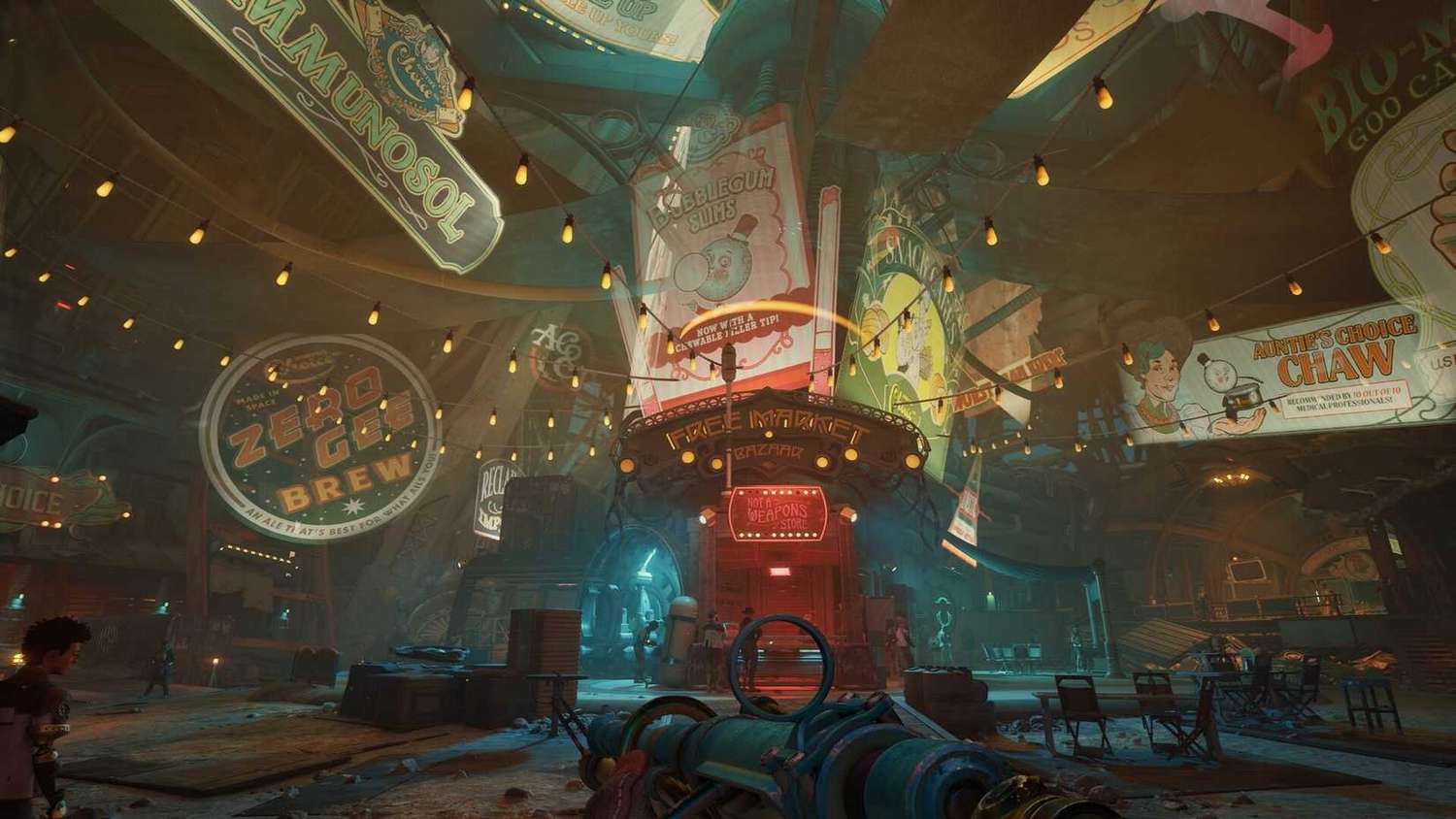 Anticipation for Obsidian Entertainment’s highly awaited sequel, The Outer Worlds 2, has reached a fever pitch, and recent developer insights, coupled with an imaginative narrative premise, suggest a truly captivating villain reveal. Eschewing conventional introductions, the game is poised to debut its primary antagonist through a spectacular and audacious museum heist, setting a dark, intriguing tone for the upcoming sci-fi RPG adventure. This bold narrative choice not only promises a memorable introduction but also lays the groundwork for a rich tapestry of corporate intrigue, moral ambiguity, and player-driven choices that Obsidian is renowned for.
The original The Outer Worlds captivated players with its satirical take on corporate dystopian futures, deep character customization, and branching narratives that truly impacted the game world. Its spiritual successor is expected to push these boundaries further, delivering an expansive universe filled with new planets, quirky companions, and formidable adversaries. Introducing the central villain through a high-stakes, meticulously planned museum heist immediately signals a level of sophistication and cunning rarely seen. This isn’t just a brute force antagonist; this is a strategic mind, operating within the shadows, challenging the very fabric of the Halcyon system’s power structures.
The Audacity of the Heist: A Villain’s Grand Entrance
Imagine a pristine, heavily guarded museum, perhaps housing priceless artifacts from Earth-that-was or highly sensitive corporate schematics crucial to the Halcyon Board’s control. The villain’s act of brazenly orchestrating a heist within such an establishment serves multiple purposes. Firstly, it establishes their disregard for authority and their incredible capabilities. They are not merely opposing the system; they are actively undermining its perceived invincibility, creating immediate chaos and drawing attention. This type of introduction creates an enigmatic figure whose motivations are shrouded in mystery, compelling players to unravel their secrets.
- Strategic Prowess: The execution of a museum heist demands meticulous planning, advanced technology, and a network of skilled operatives. This paints the villain as a master tactician, capable of outmaneuvering corporate security forces and even the brightest minds within the player’s orbit.
- Symbolic Challenge: Stealing from a museum, often a symbol of culture, history, or corporate power, is a direct challenge to the established order. What they steal, or even the act of stealing itself, will likely hold profound symbolic meaning crucial to the game’s overarching narrative.
- Immediate Threat: Unlike villains who start small and build their presence, a heist immediately thrusts the antagonist into the forefront of the narrative, presenting an urgent threat that the player must address. This dynamic beginning promises high-octane gameplay and immediate engagement for players eager for action and consequence.
 Narrative Depth and Player Engagement
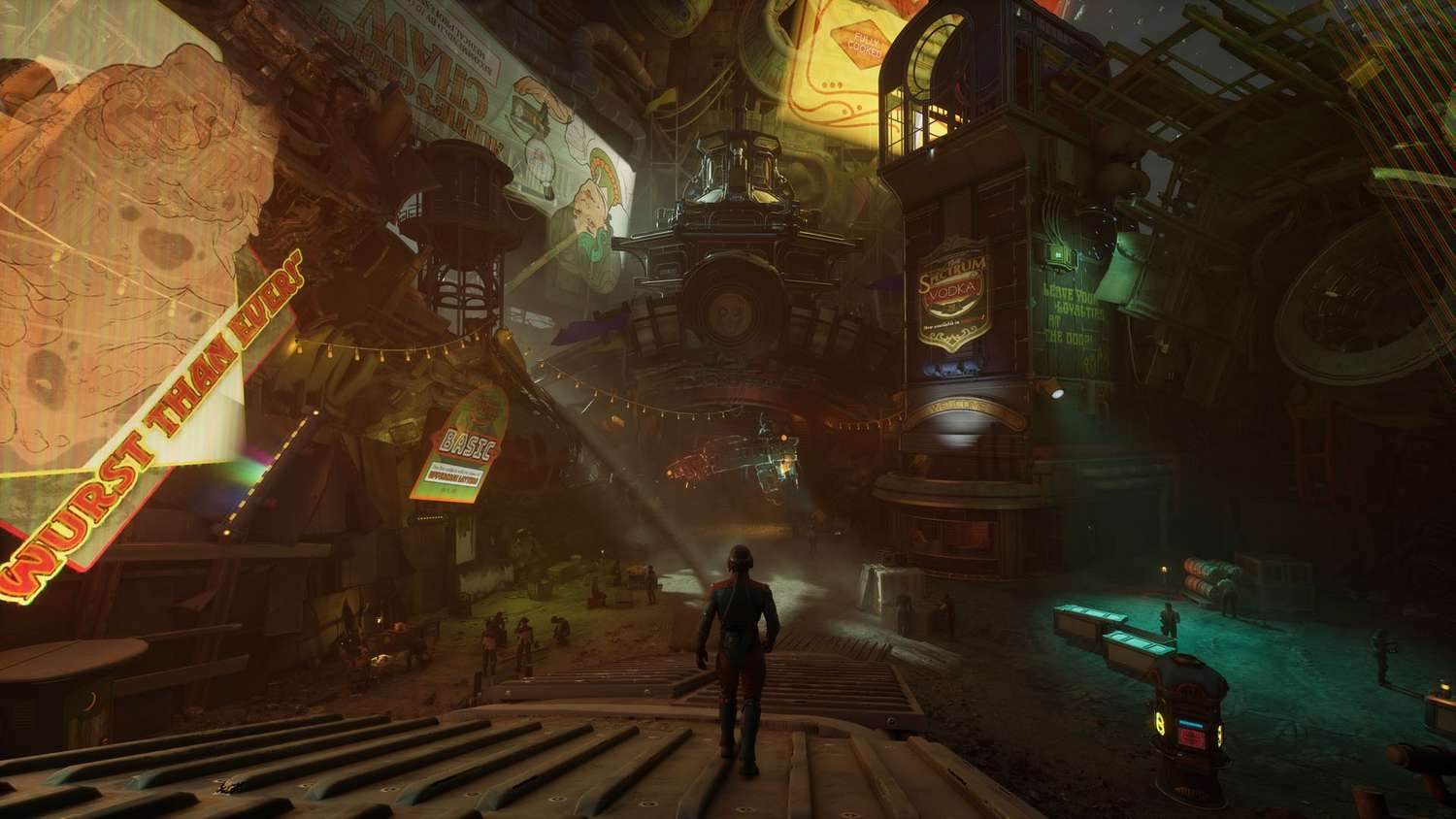
Obsidian Entertainment thrives on crafting narratives where player choices genuinely matter. Introducing a villain through such an elaborate scheme immediately opens up a plethora of narrative pathways for The Outer Worlds 2. Will the player be tasked with recovering the stolen goods? Tracking down the mastermind? Or perhaps even understanding, or sympathizing with, their motivations for committing such an act against a potentially corrupt system?
This method of villain introduction allows for a deeper exploration of themes prevalent in the game’s universe. Is the heist an act of rebellion against oppressive corporate control, a personal vendetta, or a calculated move in a larger power play? The answers to these questions will undoubtedly shape the player’s perception of the antagonist and influence their decisions throughout their journey across the galaxy. It elevates the conflict beyond simple good versus evil, embedding it within a nuanced ethical landscape that fans of classic RPGs cherish.
Setting the Stage for an Epic Sci-Fi RPG Experience
The museum heist premise suggests that The Outer Worlds 2 will lean heavily into themes of information control, corporate espionage, and the subversion of authority. The villain, by targeting a museum, might be seeking to expose hidden truths, acquire forbidden knowledge, or simply destabilize the corporate hegemony that dominates the Halcyon colony. This provides fertile ground for quests that involve infiltration, investigation, and difficult moral dilemmas, core gameplay elements that make Obsidian’s RPGs so replayable and critically acclaimed.
The implications for gameplay are significant. Players might find themselves pursuing leads across multiple planets, recruiting specialized companions, and making tough choices that could align them with or against various factions. The villain’s grand entry promises complex character interactions and a robust world-state that reacts to player actions, driving home the notion that this isn’t just another loot-and-shoot space adventure but a narrative-rich experience where every decision carries weight. For those looking for the best RPGs on the market, this kind of storytelling promises a game that stands out.
Obsidian’s Legacy: Crafting Memorable Antagonists
Obsidian Entertainment has a celebrated history of creating compelling antagonists, from the morally ambiguous figures in Fallout: New Vegas to the charismatic cult leaders in Pillars of Eternity. Introducing the central antagonist of The Outer Worlds 2 with a museum heist demonstrates a continued commitment to imaginative character development and world-building. This approach suggests a villain who is not just a roadblock but a pivotal character whose ideology and actions will challenge the player’s own moral compass and shape their understanding of the game’s universe.
As the gaming market continues to evolve, high-quality narrative design remains a crucial differentiator. The choice to introduce a villain with such an elaborate scheme indicates Obsidian’s intent to deliver a story that resonates, providing players with a multifaceted antagonist whose presence is felt throughout the entire game. This kind of nuanced storytelling is precisely what attracts players to new video games and keeps them engaged for hundreds of hours. It promises a narrative centerpiece that elevates the entire gaming experience, making The Outer Worlds 2 a formidable contender in the upcoming wave of next-gen RPGs for both PC gaming and console gaming enthusiasts.
 Anticipation Builds for a Deep Dive into Corporate Chaos
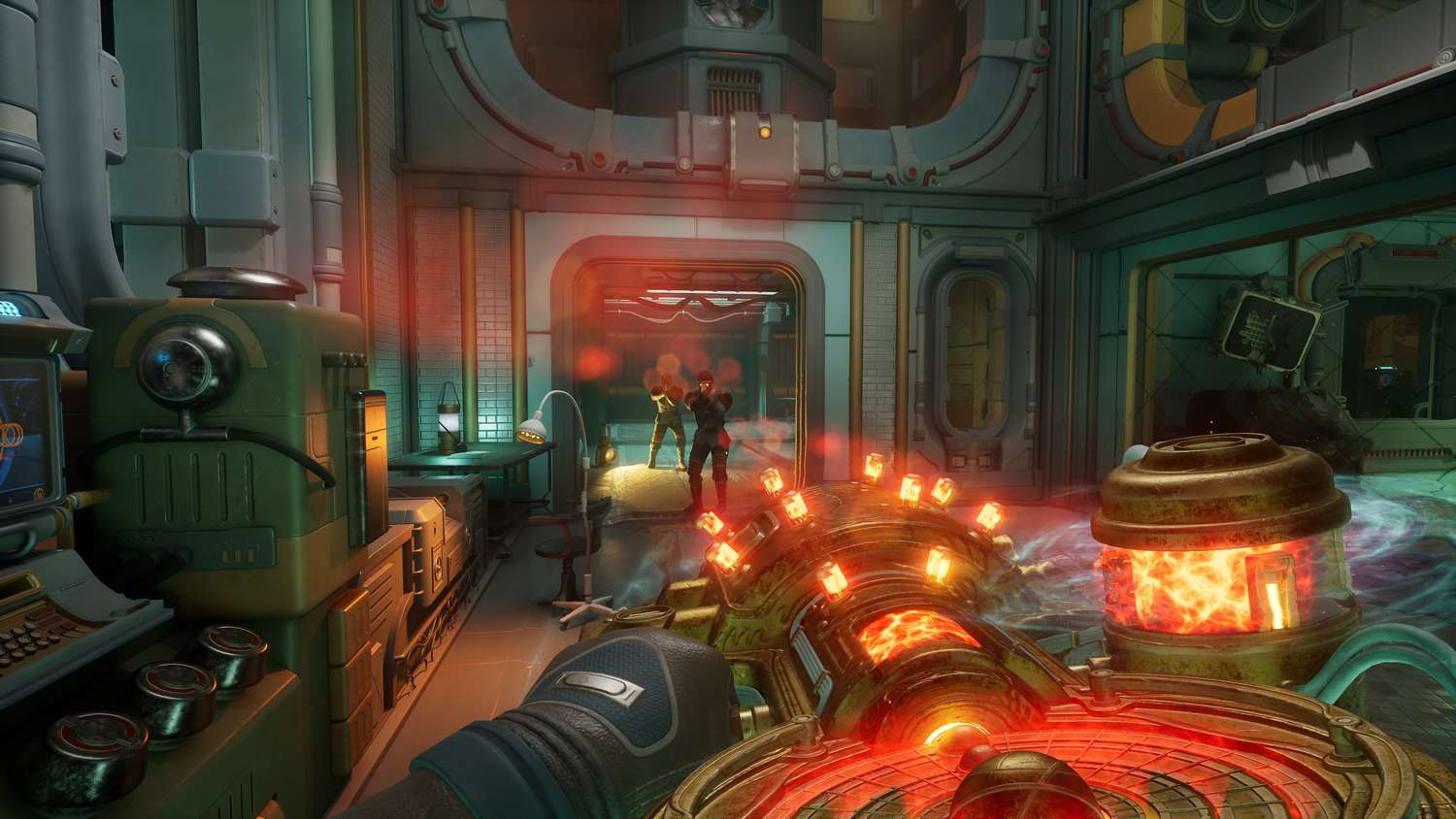
The strategic unveiling of The Outer Worlds 2’s villain through a daring museum heist is a masterstroke in narrative design. It not only establishes the antagonist as a formidable and intelligent force but also immediately immerses players into a world of complex moral questions and high-stakes intrigue. This bold move by Obsidian Entertainment underscores their reputation for delivering richly woven narratives and promises an unforgettable journey through a corporate-controlled cosmos. As fans eagerly await more details on the The Outer Worlds 2 release date and its extensive gameplay features, this innovative villain introduction solidifies the sequel’s position as one of the most anticipated sci-fi RPGs on the horizon, ready to offer an unparalleled blend of dark humor, meaningful choices, and compelling character development.