
Unexpected Victory: Data Reveals Battlefield 6 Campaign Completion Rates Shatter Low Expectations









Popular Now
 Genshin Impact
 God of War Ragnarök
 Free Fire
 FIFA 23
 Gacha Club
 Among Us
 Warframe
 NBA 2K24
 EA SPORT FC 25
 Valorant
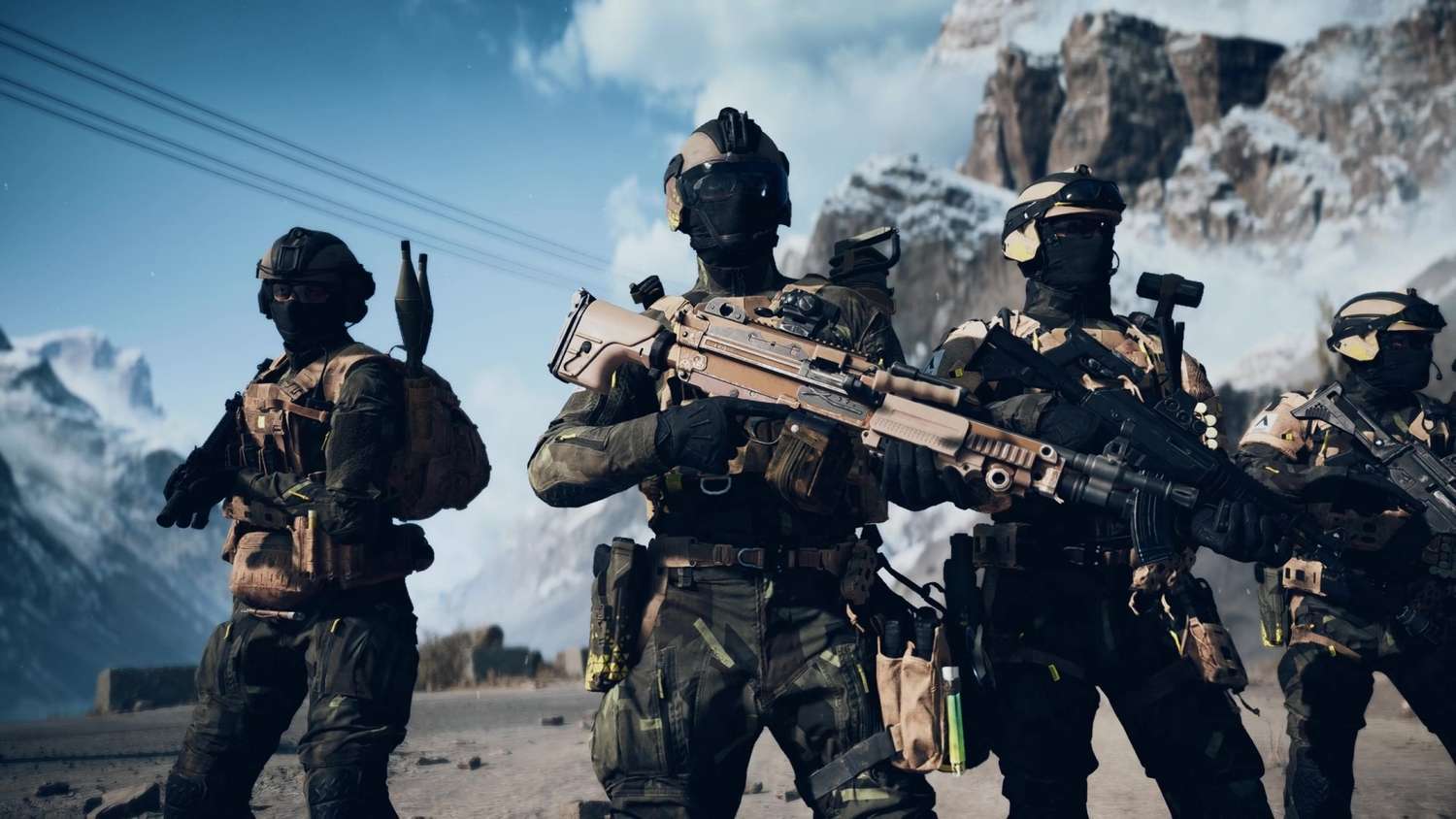 xREDWOOD CITY, CA — In a surprising turn for the AAA first-person shooter genre, new internal player data from Electronic Arts (EA) and Battlefield Studios suggests that a significantly higher number of Battlefield 6 players completed the single-player campaign than is typically expected for the franchise. This unexpected metric directly challenges the long-held industry assumption that single-player content in a primarily multiplayer-focused series is largely ignored, an assumption that was seemingly reinforced by the absence of a traditional campaign in Battlefield 2042.
The latest figures, unofficially sourced but widely circulated among industry analysts and investors, indicate that the completion rate for the nine-mission campaign of Battlefield 6 sits well above the historical single-digit percentages that have plagued similar titles. While the specific percentage remains confidential, sources suggest it is high enough to warrant serious discussion among development teams about the future role of narrative experiences in premium video games.
The Single-Player Conundrum: A Historical Context
For years, the development of a compelling single-player campaign in a military FPS like Battlefield has been viewed by many as a necessary but ultimately low-return investment. Trophy and achievement data for past titles often paints a bleak picture: even critically acclaimed campaigns like Bad Company 2 saw console completion rates hover around 34% at its peak, with many other entries dipping into the low teens. The decision to omit a campaign entirely in Battlefield 2042 was widely interpreted as an acknowledgment of this trend, allowing developers to focus maximum resources on the core multiplayer experience and its subsequent live-service deployment.
The mediocre critical reception of the Battlefield 6 campaign (which received a 5/10 from some major outlets for a perceived lack of polish and originality) makes this high engagement statistic even more remarkable. The general consensus was that the story mode, while present, was merely a side-piece designed to placate players who criticized its predecessor’s omission, rather than a genuine draw. This disparity between critical score and player engagement presents a fascinating case study for the entire gaming industry.
 The Core Multiplier: What Drove Players to Finish?
- Unlocking Content: Strong rumors suggest a direct correlation between campaign completion and exclusive cosmetic rewards—such as weapon skins and operator gear—which transfer directly into the multiplayer component. This method of incentivization has proven to be a powerful driver for players who are already deeply invested in the long-term progression of their Battle Pass and in-game profile.
- The Narrative Hook: Despite mixed reviews, the campaign, which focuses on the intense, localized conflicts leading up to the global war seen in multiplayer, may have effectively served as a lore and world-building primer. For a franchise that is rebuilding its narrative foundation, this educational role could be crucial.
- Reversion to Traditional Scale: Unlike the large-scale 128-player battles of its predecessor, the Battlefield 6 campaign wisely reverted to a tighter, more focused 6-12 hour structure, offering an experience closer to classic military shooters. This accessibility likely reduced the barrier to completion compared to sprawling, open-world narratives.
Strategic Implications for EA’s Future Revenue Stream
The success of the Battlefield 6 campaign completion rate carries significant strategic implications, particularly concerning the long-term monetization and revenue stream of the franchise. High player engagement in any part of the game typically correlates with a greater propensity for digital sales, including the purchase of the Battle Pass, cosmetic bundles, and future premium expansions.
A player who completes the campaign has demonstrated a deeper commitment to the product than one who merely dips into the multiplayer for a few hours. This depth of commitment translates into a more valuable customer for the live-service model. Furthermore, a well-received campaign—even one that is critically flawed but highly completed—can serve as a powerful marketing tool during the initial product launch phase, driving robust digital sales before the focus inevitably shifts to Season 1 content.
Byron Beede, General Manager of Battlefield, previously stated that the title was built with fan feedback in mind, emphasizing a commitment to the community. Should these statistics hold true, it suggests that a significant portion of the fanbase values a complete, albeit optional, single-player narrative as part of the overall premium video game package, challenging the prevailing notion that only multiplayer innovation matters.
The Key Takeaway for the Gaming Industry
The data from Battlefield 6 serves as a stark reminder that incentives matter. The days of simply including a campaign for the sake of it are over. By strategically linking the progression of the single-player experience to desirable multiplayer rewards, EA has managed to transform a traditionally low-engagement feature into a valuable revenue stream and player retention mechanism. Other FPS giants and AAA studios are no doubt scrutinizing these metrics closely as they plan their next big product launch.
This success may signal a renewed investment in high-quality narrative content for the Battlefield franchise, provided the connection to the core multiplayer progression remains strong. It’s an undeniable victory for the single-player component, proving that even in a chaotic multiplayer world, players still crave a structured, rewarding journey.
The next major test will be the performance of the upcoming Season 1: Rogue Ops content, launching imminently on October 28, and whether this new wave of dedicated players—who clearly saw the campaign through—will remain a highly engaged audience for the live-service ecosystem.